
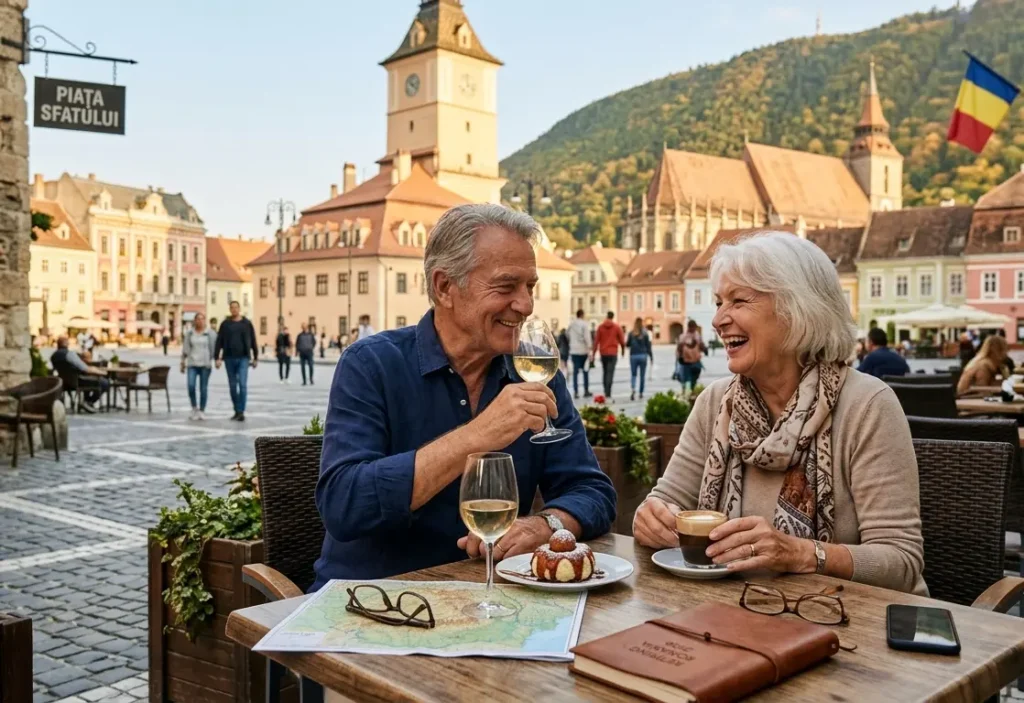
Retiring in Romania: A Complete Guide for Foreign Retirees (2026)
Retiring in Romania has become an increasingly popular option for foreigners looking for a low cost of living, safe cities, and genuine access to Europe without the price tag of Western Europe. Romania does not offer a single dedicated “retirement visa” the way some countries do, but retirees still have several realistic legal pathways into long-term residence — through family reunification, sufficient means combined with property ownership, business or investment routes, and, for those with Romanian roots, citizenship by descent.
This guide covers what retiring in Romania actually looks like in practice: the legal routes available, day-to-day costs, healthcare, and where retirees tend to settle.
Is There an Official Retirement Visa for Romania?
Not in the form many people expect. Unlike some countries that issue a dedicated pensioner or retirement visa, Romania evaluates long-stay residence requests based on established legal categories — employment, business activity, family reunification, study, or other recognized grounds. Retirees without Romanian ancestry or a Romanian family member typically need to structure their application around one of these existing categories, most often sufficient means combined with property ownership or family ties, rather than a category labeled specifically for retirement.
This makes retiring in Romania less standardized than in some other countries, but it doesn’t make it unavailable — it makes a tailored legal assessment more important before you commit to a moving date.
Legal Pathways for Retiring in Romania
Depending on your background and family situation, retiring in Romania may be possible through:
- Family reunification — if you have a spouse, child, or close family member legally resident in Romania
- Property ownership combined with proof of sufficient means — demonstrating you can support yourself without working in Romania
- Citizenship by descent — if you have Romanian ancestry, this can bypass residence-permit requirements entirely; see our full Romanian Citizenship guide
- Business or investment residence — some retirees structure part of their relocation around a Romanian company or qualifying investment
Because eligibility depends heavily on individual circumstances, our Romanian and European Residence Permit page outlines the categories in more depth, and a direct assessment can confirm which route actually fits your situation.
Retiring in Romania: Cost of Living
This is where retiring in Romania makes the strongest case. According to cost-of-living data from Numbeo, everyday expenses in Romania run dramatically lower than in the U.S., U.K., or Western Europe:
- Housing and rent: a fraction of Western European or North American prices, even in central Bucharest
- Groceries and dining out: significantly cheaper day-to-day spending
- Utilities and transportation: low costs, with reliable and affordable public transit in every major city
- Overall monthly budget: many retirees comfortably cover housing, food, and leisure on a fraction of what the same lifestyle would cost at home
For a full breakdown of monthly expenses, see our Real-World Living Expenses in Romania guide.
Healthcare for Retirees in Romania
Access to affordable, reliable healthcare is one of the biggest questions for anyone retiring in Romania. The country offers both a public healthcare system and a fast-growing private sector, with private consultations, specialist visits, and treatments typically costing a fraction of equivalent care in the U.S. or Western Europe. Many retirees opt for private health insurance or pay out-of-pocket for routine care, given how accessible private healthcare pricing is compared to what they’re used to at home.
Best Cities in Romania for Retirees
Retiring in Romania doesn’t mean settling only in the capital. Popular choices include:
- Bucharest — the most international city, with the widest range of private healthcare, amenities, and direct flights home
- Cluj-Napoca — a smaller, walkable city with a strong expat community and modern infrastructure
- Brașov — mountain scenery, a historic old town, and a slower pace of life
- Timișoara — a charming, EU-influenced city in western Romania with good connectivity to the rest of Europe
- Sibiu — well-preserved medieval architecture and a quieter, small-city feel
Each offers a different balance of cost, climate, and access to healthcare and amenities worth weighing against your priorities.
Taxes on Foreign Pension Income
Romania applies a flat personal income tax rate, which is considerably simpler than the multi-bracket systems many retirees are used to. How your specific pension or retirement income is taxed depends on your country of origin, applicable tax treaties, and your Romanian tax residency status — this is an area where individual guidance matters, since double-taxation treaties can significantly affect your actual tax bill.
Frequently Asked Questions
Is there a specific retirement visa for Romania? No. Romania does not currently offer a dedicated retirement visa; retirees generally apply through existing legal categories such as family reunification, sufficient means with property ownership, or citizenship by descent.
Can I retire in Romania without Romanian ancestry? Yes, though the pathway is usually built around family ties, proof of sufficient financial means, or a business/investment route rather than a retirement-specific category.
Is healthcare in Romania good enough for retirees? Many retirees report positive experiences with Romania’s private healthcare sector, which is significantly more affordable than equivalent care in the U.S. or much of Western Europe.
How much money do I need to retire comfortably in Romania? Costs vary by city and lifestyle, but overall living expenses in Romania are dramatically lower than in the U.S., U.K., or Western Europe, which is why many retirees find their existing income or pension stretches much further.
Can retiring in Romania lead to citizenship? Depending on your legal basis of residence and years of continuous legal stay, some retirees may eventually become eligible to apply for Romanian citizenship after meeting the statutory requirements.
Considering Retiring in Romania?
Every retiree’s situation is different — family ties, income source, and country of origin all affect which legal pathway fits best. Check your eligibility and we’ll help you identify the most realistic route for retiring in Romania based on your circumstances. If you’re relocating from the U.S. or Canada, our guide to residency for Americans and Canadians is a useful starting point as well.